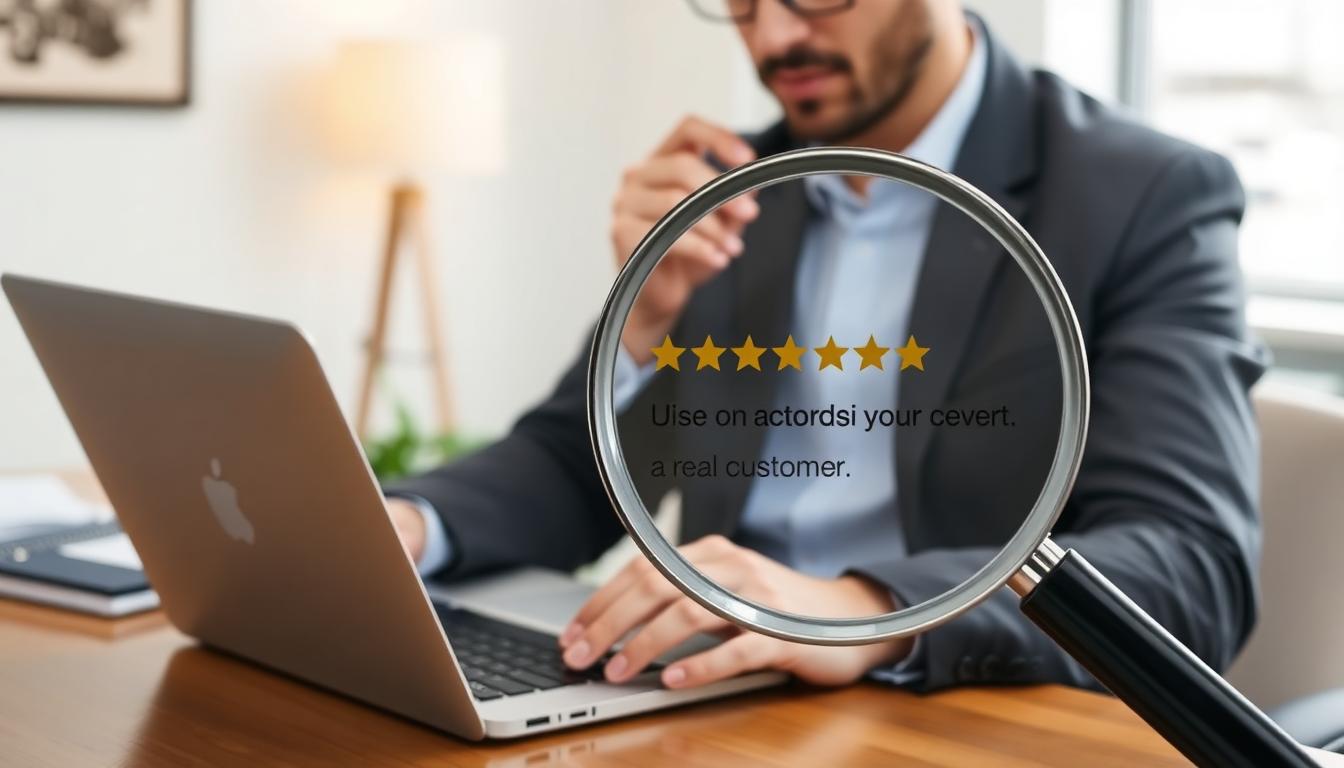

Quick Answer
Yes, reviews from non-customers violate Google's content policy against "fake content" and content that is "not based on a real experience." You can flag these reviews for removal. The challenge is proving the reviewer was never a customer. Your best evidence includes customer management system records, appointment logs, transaction histories, and surveillance footage.
Table of Contents
- What Google's Policy Says About Non-Customer Reviews
- Types of Non-Customer Reviews You Might Encounter
- How to Prove Someone Was Never a Customer
- Building Your Evidence Case
- Step-by-Step Reporting Process
- What to Do When Google Denies Your Report
- How to Respond to Non-Customer Reviews
- Common Scenarios and How to Handle Them
- Setting Up Systems to Verify Customers
- Frequently Asked Questions
A 1-star review appears on your Google Business Profile from someone you have never seen, never served, and cannot find in any of your records. They describe an experience that does not match anything that has happened at your business. This guide walks you through how to prove they were never a customer and get the review removed.
1. What Google's Policy Says About Non-Customer Reviews
Google's content policy explicitly prohibits "fake content" and reviews that are "not based on a real experience." This means reviews from people who never visited your business, never purchased your products, or never used your services are policy violations and eligible for removal.
The key phrase in Google's policy is that reviews should "reflect a genuine experience." A review from someone who was never a customer, by definition, does not reflect a genuine experience with your business.
2. Types of Non-Customer Reviews You Might Encounter
- Mistaken identity: The reviewer confused your business with another one (common with similar names or shared locations)
- Competitor sabotage: A competitor or their associates posting fake reviews
- Personal grudges: Someone with a personal grudge against you or an employee
- Random trolling: Internet trolls who leave negative reviews on random businesses
- Wrong location: The reviewer visited a different location of a chain or franchise
- Attempted extortion: Someone threatening to leave (or having left) a bad review unless you give them something
3. How to Prove Someone Was Never a Customer
The burden of proof effectively falls on you. Here is how to build your case:
Check Your Records
- Search your CRM or customer database for the reviewer's name
- Check appointment booking systems
- Review transaction and payment records
- Check email correspondence and contact form submissions
- Review phone call logs if available
Analyze the Review Content
- Does the review describe services you do not offer?
- Does it reference staff members who do not exist?
- Does the timeline or details not match your business operations?
- Is the description inconsistent with your physical location?
Check the Reviewer's Profile
- Is the account new with no other reviews?
- Have they left similar negative reviews on other businesses?
- Does the profile picture look like a stock photo or appear fake?
- Is their review history concentrated in a different geographic area?
4. Building Your Evidence Case
Compile your evidence into a clear, organized document:
- Screenshot the review with timestamp and reviewer profile
- Document your search of customer records (screenshot showing no results)
- Note any factual inaccuracies in the review (services you do not offer, wrong descriptions)
- Include any relevant reviewer profile analysis
- If the review mentions a specific date, document what actually happened at your business that day
5. Step-by-Step Reporting Process
- Log into your Google Business Profile
- Navigate to Reviews
- Find the non-customer review
- Click the three-dot menu and select "Flag as inappropriate"
- Select "Spam" or "Fake content" as the reason
- Add details explaining that the reviewer was never a customer and summarize your evidence
- Submit the report
For detailed instructions on each step, see our guide on flagging inappropriate Google reviews.
6. What to Do When Google Denies Your Report
If Google does not remove the review on the first attempt, you have several escalation options. See our complete guide on what to do when Google refuses to remove a review.
The most effective escalation for non-customer reviews is contacting Google Support directly with your compiled evidence. Human reviewers are better at evaluating evidence of non-customer status than automated systems.
7. How to Respond to Non-Customer Reviews
While working on removal, post a professional response:
"Thank you for taking the time to leave feedback. However, we have thoroughly searched our records and are unable to find any transaction, appointment, or interaction matching your description. We pride ourselves on serving every customer with care, and we would like to look into this further. Please contact us directly at [email/phone] with any details that could help us locate your records, such as the date of your visit or the name used for your appointment/order."
This response accomplishes several things: it signals to other readers that the review may not be genuine, it gives the reviewer an opportunity to correct a genuine mistake, and it demonstrates professionalism and accountability.
8. Common Scenarios and How to Handle Them
Wrong business
If the reviewer clearly confused your business with another one, mention this in your response politely: "It sounds like you may be thinking of a different business. We do not offer [service mentioned], and we have no record of your visit. We would be happy to help you leave your feedback on the correct business listing."
Personal grudge (not a customer issue)
If you recognize the reviewer as someone with a personal connection (neighbor dispute, social media conflict, etc.), flag the review as "off-topic" since it does not reflect a customer experience with your business.
Cash customer with no records
This is the trickiest scenario. If your business accepts cash and does not track all transactions, proving someone was never a customer is much harder. In this case, focus on factual inaccuracies in the review content.
9. Setting Up Systems to Verify Customers
To protect yourself going forward, implement these systems:
- Use a CRM or customer management system that logs every interaction
- Maintain transaction records with customer names
- Use appointment booking systems that capture customer information
- Keep email and phone correspondence records
- Consider security cameras that can verify customer visits
- Use loyalty programs or check-in systems that create a customer trail
10. Frequently Asked Questions
Need Help Proving a Reviewer Was Not a Customer?
Building a strong evidence case is crucial for successful removal of non-customer reviews. If you are dealing with reviews from people who were never your customers, contact us for a free assessment. We can help evaluate the review, build an evidence package, and navigate the removal process.